What Florida Sun and Salt Air Do to Your Paint
A plain look at UV, salt, and heat on a car's finish, and where a ceramic coating helps and where it doesn't.
October 17, 2026 · 4 min read
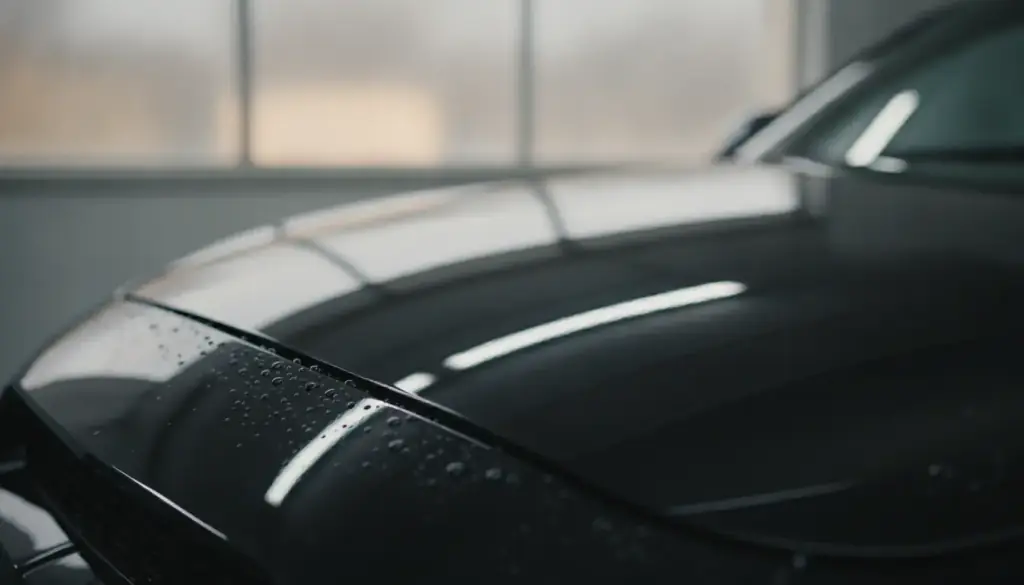
Cars in Palm Beach County live a harder life than cars in most of the country. Sun beats on them most of the year, humidity hangs in the air, and anywhere near the water there's a fine mist of salt riding every breeze. Paint is tougher than it looks, but it isn't unlimited. Understanding what's actually happening to your finish makes it easier to decide what protection is worth having.
What the Florida sun does to clear coat
Modern paint is a layered system, and the top layer is a clear coat that does the heavy lifting. Its job is to take the beating so the color underneath doesn't have to. Ultraviolet light slowly breaks that clear coat down. At first you won't notice. Eventually the gloss goes flat, the surface turns chalky or hazy, and in bad cases the clear peels away in patches, leaving the color exposed to even faster damage.
Flat surfaces get hit first because they face the sky: the hood, the roof, the trunk lid. If you've ever seen an older car with a dull hood and a shiny door, that's why. Reds and blacks tend to show fading and haze sooner, simply because there's more contrast to reveal it.
Heat adds its own trouble. A hot panel bakes whatever lands on it. Bird droppings, bug splatter, and sprinkler water all turn from a rinse-off problem into a slow etch when the sun cooks them into the surface. The longer they sit, the more likely the mark stays.
Salt air and coastal living
If you live in Boca Raton, Delray Beach, or anywhere close to the Intracoastal or the ocean, salt is part of your car's daily environment. It doesn't need a beach trip. Salt travels as a fine airborne film and settles on paint, glass, trim, and wheels. Add humidity, and it holds moisture against the surface, which is exactly what bare metal and small paint chips don't want.
Salt usually isn't a problem for healthy, intact clear coat in the short term. It becomes one where the finish is already compromised: stone chips, deep scratches, door edges, wheel faces, and exposed hardware. Regular rinsing helps more than most people expect.
What a ceramic coating can do
A ceramic coating is a liquid applied to clean, prepared paint that cures into a thin, hard, clear layer on top of it. It sits between your clear coat and the environment, which gives the world something else to chew on first. The honest list of benefits looks like this:
- It adds a protective layer that helps your clear coat stand up to UV exposure.
- It makes the surface slick, so water beads and sheets off instead of sitting and drying into spots.
- It helps dirt, road film, and salt rinse away more easily at wash time.
- It brings out depth and gloss, especially when the paint has been corrected first.
- It gives bird droppings and bug residue a harder surface to work against, which buys you time to get them off.
Professional-grade coatings can last up to five years. That's a ceiling, not a promise. How long yours lasts depends on the product, how well the paint was prepared, where the car is parked, and how it gets washed. David Morse at Reflect is a System-X certified installer and also works with CeramicPro and IGL.
What a coating can't do
This is where plenty of disappointment comes from, so it's worth saying plainly. A coating is not a force field. It won't stop rock chips, it won't make the car scratch proof, and it won't mean you never wash the car again. A hard surface resists light marring better than bare paint, but a key, a shopping cart, or a bad wash technique can still cut right through.
Water spots can still form on a coated car, particularly if mineral-heavy water dries in the sun. They're usually easier to remove, but they aren't impossible. And a coating doesn't fix existing damage. Swirls, etching, and oxidation under a coating stay right where they are, which is why paint correction comes first.
If rock chips are your worry, say on the front bumper and hood of a highway commuter, paint protection film is a different tool built for impact. Reflect offers that too, so the two can be talked through together.
Is it worth it for your car?
That depends on the car and how you live with it. A garage-kept weekend car in Delray Beach faces a different threat level than a daily driver parked outside in Lake Worth. A coating tends to pay off most for cars that sit outdoors, that you want to keep looking good, and that you'd like to wash more easily.
If you're not sure where your paint stands, a conversation and an inspection will tell you more than any generic advice. Call or text David Morse at (561) 827-8663, describe the car and where it's parked, and ask what he'd recommend.
Reflect Auto Detailing & Protection, (561) 827-8663
Call (561) 827-8663More articles
Why Paint Correction Comes Before a Ceramic Coating
A coating is clear, hard, and built to stay, so the paint underneath had better look the way you want it to.
How to Wash a Coated Car Without Undoing the Work
Your paint looks like glass right now. A few wash habits decide how long it stays that way.