How to Wash a Coated Car Without Undoing the Work
Your paint looks like glass right now. A few wash habits decide how long it stays that way.
October 17, 2026 · 4 min read
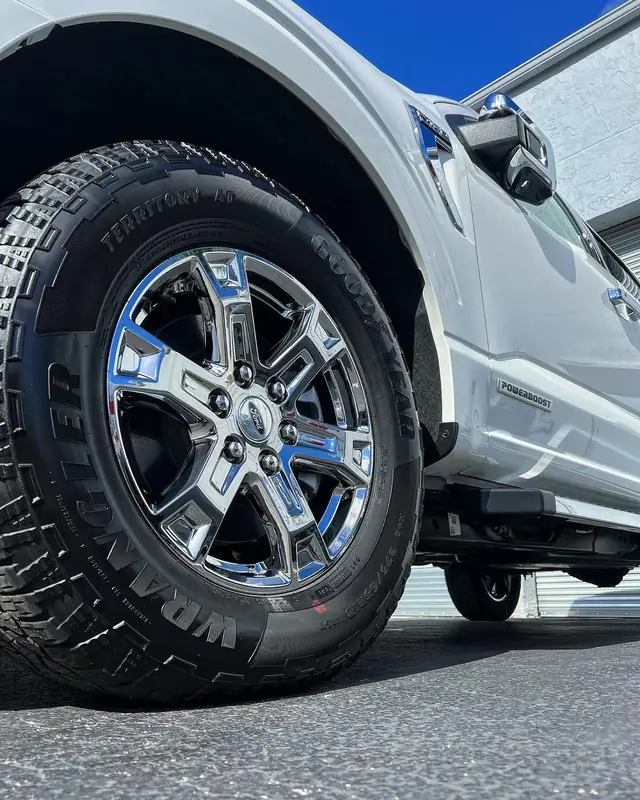
You've had your paint corrected, maybe coated, and it looks like glass. The next question is the one that decides how long it stays that way: how do you wash it? Most of the swirl marks that show up on cars come from washing, not from driving. The good news is that a careful wash isn't complicated. It just takes a few habits and the willingness to skip the shortcuts.
Where wash damage comes from
Fine scratches happen when dirt gets dragged across paint. Grit that sits on your door gets picked up by a sponge or mitt and then rubbed over the rest of the panel. Do that every week and you've rebuilt the same swirls that polishing just removed. The usual culprits are easy to name:
- Automatic washes with spinning brushes or cloth strips that still hold grit from the cars before yours.
- A single bucket, so the dirt you rinse off goes right back onto the mitt.
- Old bath towels, shop rags, and sponges that push grit around instead of trapping it.
- Wiping dust off a dry car with a dry cloth.
- Washing a hot panel in direct sun, where soap dries in streaks before you can rinse.
A safer wash, step by step
The method most careful detailers use is called the two-bucket wash, and anyone can do it in a driveway. One bucket holds soapy water. The other holds clean rinse water. You load your wash mitt with soap, wash a small section, then rinse the mitt in the clean bucket before dipping back into soap. The grit stays in the rinse bucket instead of going back onto your paint. A grit guard at the bottom of each bucket keeps that dirt from stirring back up.
Order matters too. Start by rinsing the whole car with plain water to knock off loose dirt and sand, which on a Florida car is plenty. Wash from the top down, because the lower panels are the dirtiest. Do the wheels last, with separate tools, since brake dust is abrasive and you don't want it near your paint. Rinse thoroughly, then dry.
Drying without leaving marks
Drying is where good washes go wrong. Dragging a rough towel across damp paint can put in as many fine scratches as a bad wash. Use clean, soft microfiber made for drying, lay it on the surface and pat or glide it with light pressure, and never reuse a towel that has touched the ground.
Some owners use a leaf blower or a dedicated car dryer to move water off panels, mirrors, and trim without touching anything at all. Drying promptly matters in South Florida, where mineral-heavy water can leave spots if it dries on its own in the sun.
Soap, sealants, and what to skip
Use a car wash soap made for paint. Dish soap is built to cut grease, and on a protected car that's not the job you want it doing. Skip scrubbing pads, harsh all-purpose cleaners, and anything marketed as an abrasive cleaner for paint. If your car was coated, ask the installer which soaps they'd recommend for that particular coating.
Coatings and sealants make washing easier, not unnecessary. Dirt that sits on a coated surface still needs to come off, and a gentle wash is far better than letting road film build up. Rinsing salt off regularly matters most if you park near the coast in Boca Raton or Boynton Beach.
What is a maintenance detail?
A driveway wash covers a lot, but some things are hard to do at home. Reflect offers what it calls a maintenance detail: a careful wash topped with a ceramic sealant. The idea is to clean the car properly and refresh the protective layer on top, so a corrected or coated car keeps behaving the way it did when it was new.
Think of it as upkeep for the finish, with the right rhythm depending on how the car lives. A daily driver parked outside in the sun wears faster than a garaged weekend car. David Morse can tell you what he'd suggest once he sees your paint.
A quick recap before you grab the buckets:
- Rinse first, always, before a mitt touches the paint.
- Two buckets, one for soap and one for rinsing the mitt.
- Top to bottom, wheels last, with their own tools.
- Soft microfiber for drying, or air to move the water off.
- Park in shade when you can, and wash when the panels are cool.
If you have questions about caring for the finish you've got, call or text David Morse at (561) 827-8663 and tell him what you've noticed after washing. That's usually enough to figure out what's going on.
Reflect Auto Detailing & Protection, (561) 827-8663
Call (561) 827-8663More articles
Why Paint Correction Comes Before a Ceramic Coating
A coating is clear, hard, and built to stay, so the paint underneath had better look the way you want it to.
What Florida Sun and Salt Air Do to Your Paint
A plain look at UV, salt, and heat on a car's finish, and where a ceramic coating helps and where it doesn't.