Why a Brand-New Car Still Needs Paint Prep
New doesn't always mean flawless, and the best moment to protect paint is before it picks up its first real wear.
October 17, 2026 · 4 min read
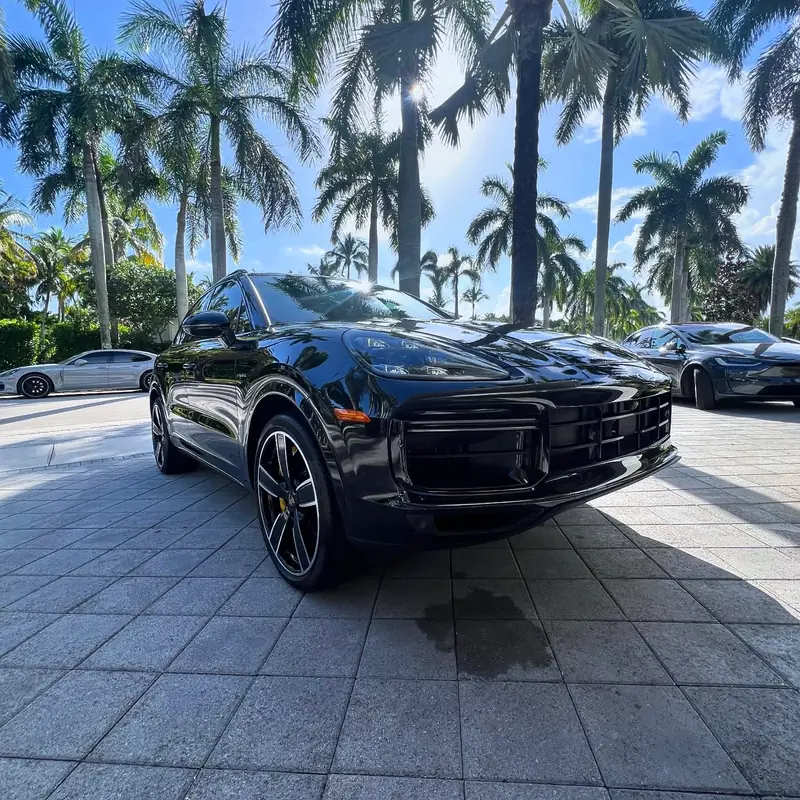
A new car feels like the one situation where nothing needs doing. The paint is fresh, the plastic is unfingerprinted, and the smell alone says perfect. Then you roll out into direct sun and see it: fine circular lines in the clear coat, a faint haze, little marks around the door handles. New doesn't always mean flawless.
Where the marks come from before you arrive
A new car's trip from factory to driveway is longer than most people think. It gets hauled by truck or rail, sits on a lot, gets moved around, and is washed and wiped more than once to keep it looking sale-ready. Those washes can be fast, with shared towels and brushes, which is a good way to put fine swirls and light scratches into paint, especially on dark colors. Transit protection and road film can leave residue, and sun-baked bug splatter may be clinging to the front end.
None of this means the dealer did anything wrong. It's just what happens to paint that gets handled a lot before you ever touch the keys.
Paint varies by maker, too. Some factory clear coats are soft and pick up marks easily, while others are tougher. That's one reason a quick look under strong light beats guessing. Walk around the car in direct sun before you decide anything, and note what you see on the hood, roof, and doors.
Prep first, then protection
The best time to coat a car is when it's new, because the paint is in its best condition and there's the least to correct. New car prep generally means a careful wash, removing anything bonded to the surface, a light polish where the dealer wash left marks, and then protection. The correction step is usually gentler on a new car than on one that's been through a few Florida summers, which is part of why the timing is so good.
There's also bonded contamination, tiny specks of rail dust or industrial fallout that make paint feel rough even when it looks clean. Slide your fingertips over a freshly washed hood inside a thin plastic bag and you'll feel it if it's there. That grit needs to come off before anything is polished or sealed over it.
Skip the prep and you lock those dealer-wash marks under a coating. It's the same logic as any coating job: the coating keeps what's there, flaws included. If you're going to pay for protection, you may as well protect paint that looks the way it should.
Coating, film, and tint: how they fit together
A new car is the right moment to think about the whole protection plan, and Reflect offers more than coatings. Each option handles a different problem:
- Ceramic coating: a hard, glossy layer that helps with UV exposure, water beading, and easier washing.
- Paint protection film: a clear film applied over areas like the front bumper, hood, and mirrors to take on rock chips and scuffs.
- Window tint: reduces glare and some of the heat that comes through the glass, which matters when the Florida sun sits on the windows all afternoon.
They aren't either/or. Film goes on the places most likely to get chipped, a coating covers the paint, and tint handles the glass. Talk through your driving habits first. A commuter on I-95 has different priorities from someone who keeps a car for weekend drives along A1A.
Interior counts too
Fresh leather and clean carpet feel like they'll stay that way, but sun and hot cabins start working on them from day one. A new car is the easiest time to start good habits inside: a gentle clean now and then, sunshades when parked outdoors, and keeping spills from soaking in. Reflect does interior and exterior detailing, so a new car can get both handled in one visit.
What to ask before delivery day
Plan ahead if you can. Detailers book by appointment, and getting protection done soon after delivery means fewer weeks of daily driving on unprotected paint. Questions worth bringing:
- Can you inspect the paint under strong light and show me what the dealer wash left behind?
- How much polishing does my car need before a coating?
- Which areas would you put film on if I want it?
- Do you come to my home, or should I bring the car to your shop?
- Who is working on my car, you or a crew?
Reflect works by appointment, at your home or at the shop. David Morse does every car himself, and no third-party crew gets sent out in his place. If you're picking up a new car in Palm Beach County and want to talk through a plan, call or text (561) 827-8663.
Reflect Auto Detailing & Protection, (561) 827-8663
Call (561) 827-8663More articles
Why Paint Correction Comes Before a Ceramic Coating
A coating is clear, hard, and built to stay, so the paint underneath had better look the way you want it to.
What Florida Sun and Salt Air Do to Your Paint
A plain look at UV, salt, and heat on a car's finish, and where a ceramic coating helps and where it doesn't.